
The Myths Around Supervision
That Are Keeping Wellness Practitioners Stuck

The concept of supervision is rare in the wellness space, even though it meets a fundamental need all practitioners have.
And I would argue, many try to tend to this need in unhelpful and exhaustive ways.

Supervision in Wellness
Supervision is a mostly misunderstood concept in the wellness world. For most somatic practitioners, breathwork facilitators, coaches, and bodyworkers, it exists within training but is often called something else.
And then when you graduate, nobody mentions it.
Although it is a standard part of practice in the psychotherapy and counselling field, but shrouded in assumptions in the wider wellness arena.
These assumptions that are worth examining, because some of them might be costing you more than you realise.
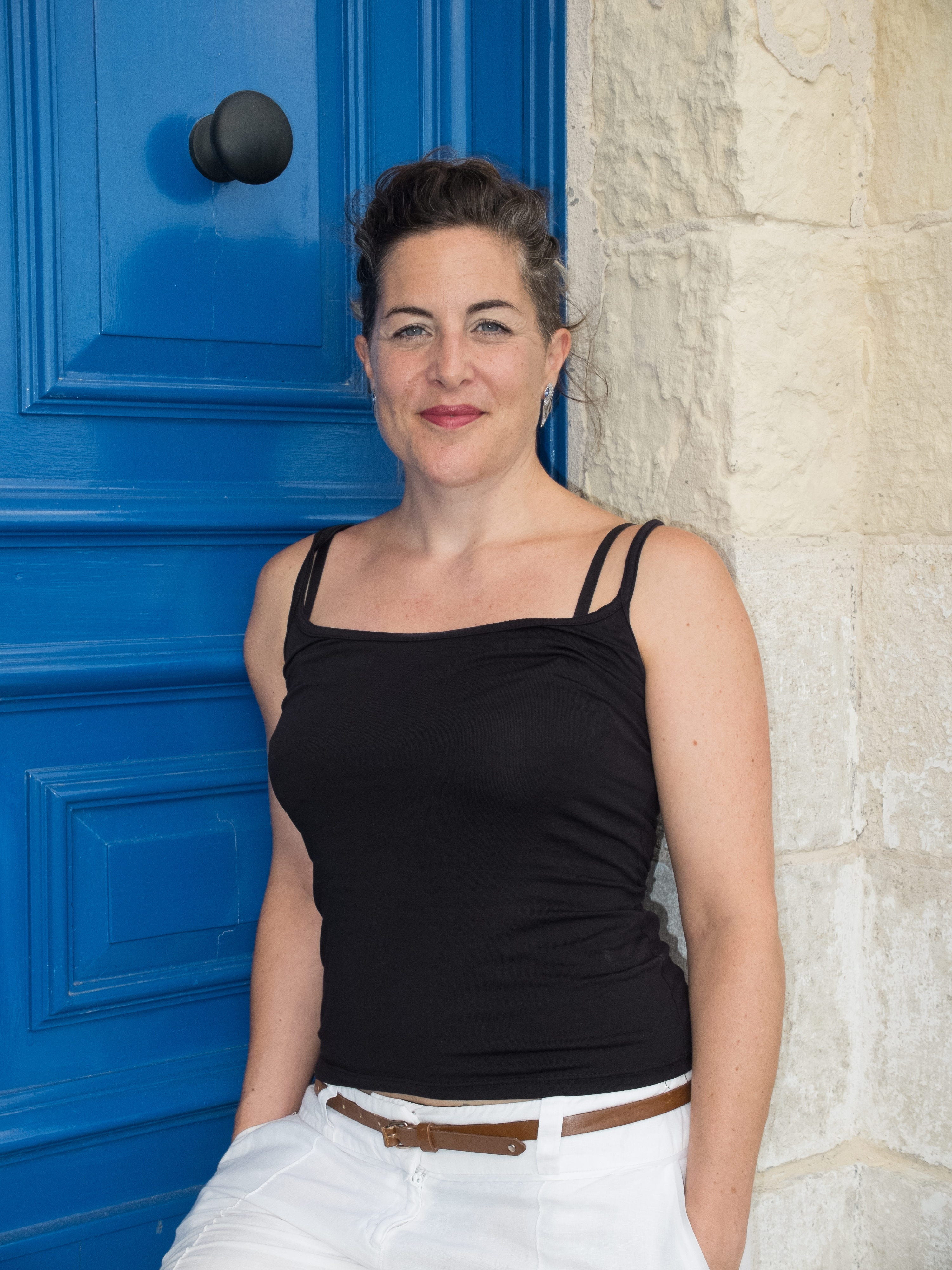
My name is Cat Moyle, I have been in the wellness business for over 25 years and I host The Treehouse, a supervision and support community for wellness professionals.

Myth 1: Supervision is for when something goes wrong
This is probably the most common one. Supervision gets filed under crisis management, something you’d seek out if a client complained, if an ethical issue arose, or if you were “struggling badly enough” to need outside input.
The reality is almost the opposite. The practitioners who benefit most from supervision are not the ones in crisis. They’re the ones who are curious, committed and who want to go deeper.
Supervision is a reflective practice, not a remedial one. It’s the ongoing process of bringing your work into a supported space so that patterns can be noticed, blind spots can be named, and the quality of what you offer can continue to develop. Therapists and counsellors have understood this for decades. They don’t wait until something breaks. They build supervision into their practice as a matter of course.
That’s exactly what The Treehouse is designed to support, the ordinary, ongoing rhythm of a practitioner who takes their work seriously - alongside the exceptional moments that shake the ground.

Myth 2: I don’t need supervision because I do my own personal development work
This one comes from a good place. Many wellness practitioners are deeply committed to their own growth. You may be in therapy, your own somatic or breathwork practice, training, retreats. This matters enormously, so much so I encourage you to factor it into your business model.
But personal development and supervision are not the same thing, and one doesn’t substitute for the other.
Your personal practice is about you. Supervision is about you in relation to your clients, your work and your business.
It holds a range of lenss — one that asks not just “how am I doing?” but “what is happening in the space between me and the people I work with? What am I bringing into the room that I might not be aware of? What is the work asking of me that I haven’t yet given?” “How can I hold my business in the context of the world”
These are questions that require a particular kind of container. Not therapy, not a peer chat over coffee, not a training course. Supervision. When wellness practitioners, attempts to meet this need in other spaces, something important is missed.

Myth 3: Supervision means someone checking up on me
The word itself doesn’t help. “Super-vision” seeing from above - carries connotations of oversight, assessment, hierarchy. Something being done to you, rather than with you.
In practice, good supervision feels nothing like that.
It is a collaborative, confidential relationship built around your work. You are not here to be evaluated, corrected, or reported on.
A supervisor is there to think alongside you, to help you notice what you might not be able to see from inside the work, and to support you in making sense of your own experience as a practitioner.
At The Treehouse, supervision is grounded in somatic principles. That means paying attention not just to what you’re thinking about your work, but to what you’re feeling, sensing, and carrying. The body holds a great deal of information about the therapeutic relationship. Supervision is one of the places where that information can be heard.

Myth 4: My clients are fine, so I’m fine
Client outcomes are one measure of how a practitioner is doing. But they are not the whole picture.
Practitioners can be quietly struggling in ways that don’t immediately show up in client progress. Absorption of client material. Compassion fatigue. Over-functioning in sessions. Dread before certain appointments. A sense of flatness or disconnection from work that once felt alive. These experiences are more common than most practitioners admit, because there’s rarely anywhere to take them.
Wellness work can be particularly absorptive. The nervous system doesn’t maintain neat professional boundaries. What moves through your clients can touch you too, whether you’re tracking it or not. Without a regular, dedicated space to process that, it can accumulate.
Your inner life as a practitioner must be permitted and actively attended to. Because when you’re supported, your clients feel it, even if they don’t know why.

Myth 5: Supervision is only relevant if I’m working with trauma
There’s a version of supervision that has become associated specifically with trauma-informed practice, and while supervision is absolutely essential in that context, it’s far from the only one where it matters.
If you’re working with people in any depth - holding space for transformation, facilitating altered states, supporting nervous system regulation, sitting with grief or joy or confusion - you are in relationship.
And as you know, rellationship is where the most interesting and complex things happen. Things that don’t always have obvious answers. Things that deserve more than a quick reflection on the drive home.
Supervision is for any practitioner who is working with people and wants to do that well. The complexity doesn’t have to be clinical to be worth exploring.

So why hasn’t supervision existed in the wellness space until now?
Because most wellness professions are unregulated. Without regulatory bodies mandating reflective practice, there’s been no structural reason for it to develop and no infrastructure to support it even if practitioners wanted it.
That’s the gap The Treehouse is built to fill.
I believe that supervision should be as natural a part of a wellness practitioner’s life as their own practice. Not because someone requires it of you.
Because the work deserves it.
Because your clients deserve it.
And because you do too.
If you’re ready to find out what supervision could offer you, The Treehouse is here.
Let me know what landed for you here.
And comment Tree to be sent info about The Treehouse.
Much love,
Cat x
#SomaticSupervision #BreathworkPractitioner #WellnessPractitionerDevelopment #SomaticPractice #PractitionerWellbeing